
Assessment before repair or replacement
Mobile tyre repair help at your vehicle
A tyre that loses pressure may have a repairable tread puncture, a valve problem or damage that requires replacement. We check independent fitter availability for an on-site assessment and confirm the expected service before booking.
Check tyre repair availability
Send the postcode and tyre size. Describe the pressure loss or damage when WhatsApp opens so the correct option can be checked.
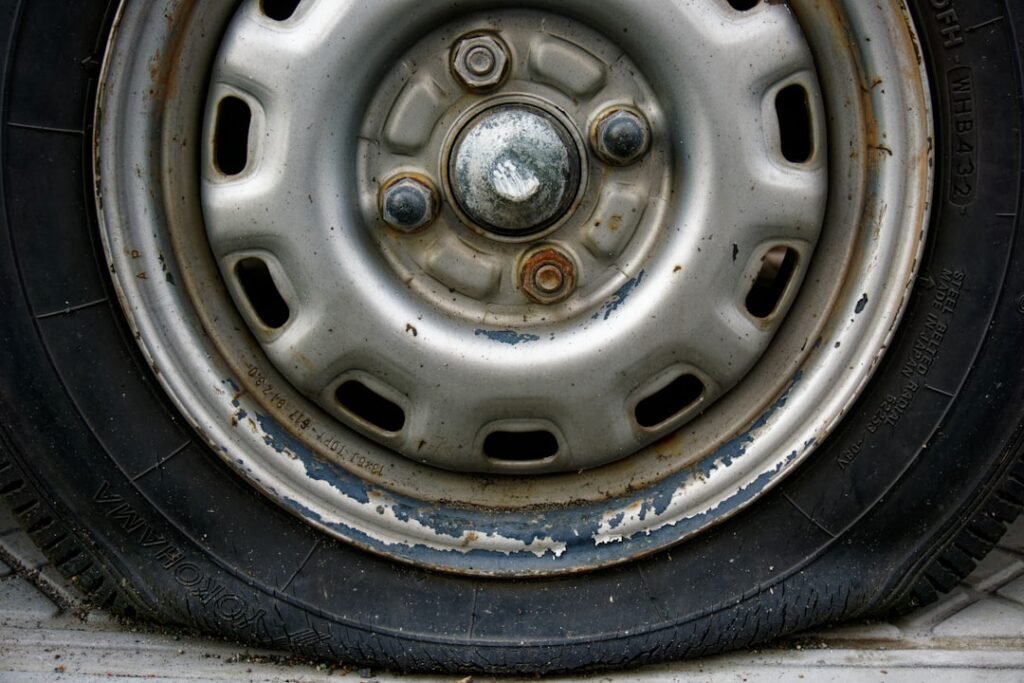
Repair starts with a safety assessment
Not every loss of pressure is caused by the same fault. A small object in the central tread, a leaking valve, a damaged wheel rim and a split sidewall need different responses. British Mobile Tyres coordinates an available independent fitter who can inspect the tyre at the vehicle and decide whether repair is permitted.
The assessment matters because a tyre repair should restore safe service, not simply stop an obvious leak for a short time. The fitter considers the damage position and size, the remaining tread, the condition inside the casing and whether the vehicle has been driven while the tyre was flat. If those checks show that a compliant repair is not possible, replacement will be discussed instead.
Tread damage versus sidewall damage
A puncture in the central tread area may be repairable when the hole and surrounding tyre meet recognised repair limits. Damage close to the shoulder is more complex because that part of the tyre flexes heavily. Cuts, bulges, exposed cords and impact damage to the sidewall normally point towards replacement rather than a patch.
Do not rely on a photograph for the final decision. Images may help describe the enquiry, but the fitter needs to remove and inspect the tyre when a permanent repair is being considered.
Slow pressure loss and valve problems
A tyre that needs frequent inflation may have a small penetration, a leaking valve core, corrosion around the wheel bead or damage to the rim. Note how quickly pressure falls and whether the warning appeared after an impact. This gives the fitter useful context without presuming the cause.
Where a valve or bead issue can be corrected safely, the fitter will explain the work. Where wheel damage or tyre deterioration is found, you may be advised to seek a different repair or replace the tyre. The quotation should be updated before additional work is agreed.
What to do before assistance arrives
Park away from moving traffic, apply the parking brake and avoid continuing to drive on a tyre that is visibly low or damaged. Driving while flat can destroy the internal structure and turn a potentially repairable puncture into a replacement. On a motorway or dangerous road, move to safety if possible and contact the appropriate emergency or breakdown service.
How the network check works
Send the vehicle postcode, tyre size and a concise description of the symptoms. We check fitters who may have suitable repair equipment and, where prudent, replacement stock. You receive the quoted price and estimated attendance time before deciding whether to book. Current demand, traffic and local availability affect every estimate.
Common repair enquiries
Symptoms that need a proper inspection
These signs do not confirm repairability, but they help the booking team check a fitter with the right equipment and potential replacement stock.
A visible tread puncture
A nail or screw in the central tread may be repairable, subject to internal inspection and recognised safety limits.
Repeated low-pressure warnings
Slow pressure loss can come from the tread, valve, bead or wheel. The cause needs to be identified before work is agreed.
Damage after an impact
A pothole or kerb impact can affect the sidewall or rim. Bulges, cuts and exposed cords should not be treated as a simple puncture.
Clear answers before booking
Mobile tyre repair FAQs
Can every puncture be repaired?
No. Repairability depends on the position and size of the damage, the tyre condition and whether it has been driven while flat.
Can a sidewall puncture be repaired?
Sidewall and shoulder damage is generally not suitable for a standard permanent repair because these areas flex and carry high loads.
Will the fitter remove the tyre from the wheel?
A proper assessment may require removal so the internal casing can be inspected. The attending fitter decides the necessary process.
Can you fix a leaking tyre valve?
Valve faults can often be corrected, but pressure loss may have another cause. The valve, bead, rim and tyre should be checked.
Should I drive to a safer place?
Do not drive on a visibly flat or seriously damaged tyre. If the current position is dangerous, contact emergency or breakdown assistance for guidance.
How do I know whether I need repair or replacement?
You do not need to decide alone. Describe the symptoms, and the fitter will assess the tyre against safety limits before recommending repair or replacement.
Will a replacement tyre be available as a backup?
It can be sensible to check replacement stock at the same time. Availability depends on the size and the fitter selected for the job.
How long will the repair take?
The work time depends on the fault and inspection findings. The fitter can explain the expected process once the tyre has been assessed.
Tyre losing pressure?
Arrange a proper tyre assessment
Share the postcode, tyre size and symptoms so we can check independent fitter availability for repair or replacement.